Meetings
SFN 2023 | Booth #1125
Dates: NOV 11-15, 2023
Location: Washington, D.C.
Biophysics 2024 | Booth #613
Dates: FEB 10-14, 2024
Location: Philadephia
Do not miss our latest news, products & publications
SFN 2023 | Booth #1125
Dates: NOV 11-15, 2023
Location: Washington, D.C.
Biophysics 2024 | Booth #613
Dates: FEB 10-14, 2024
Location: Philadephia
Are you late with your studies? Do you need Cell & Tissue Media quick and at same quality?
Use our delivery service
Call us now
Europe: +49-231-17728540
USA: +1 512 215 0770
Email us
Europe: sales@lohres.com
USA: sales@ecocyte-us.com
Over 20 years of Experience! You need a special setup or a customized electrophysiological service? Just talk to us
Since 1995 LOHMANN RESEARCH EQUIPMENT distributes high quality products for biomedical research in Europe including multielectrode recordings systems, automated screening equipment, or human electrophysiological recording devices used for neuronavigation during neurosurgery. According to our own long-lasting experience in Neuroscience and Toxicology LRE guarantees competent consultance, good technical support and fast service and a product selection for quality, reliability and economy.
Our teams in Europe and USA will take care of your requirement with enthusiasm and competence. We love what we do.

Gen. Manager, Owner / scientific consultance, contract service
Software Engineering & Technical support

Marketing Manager / customer support
What our customers say

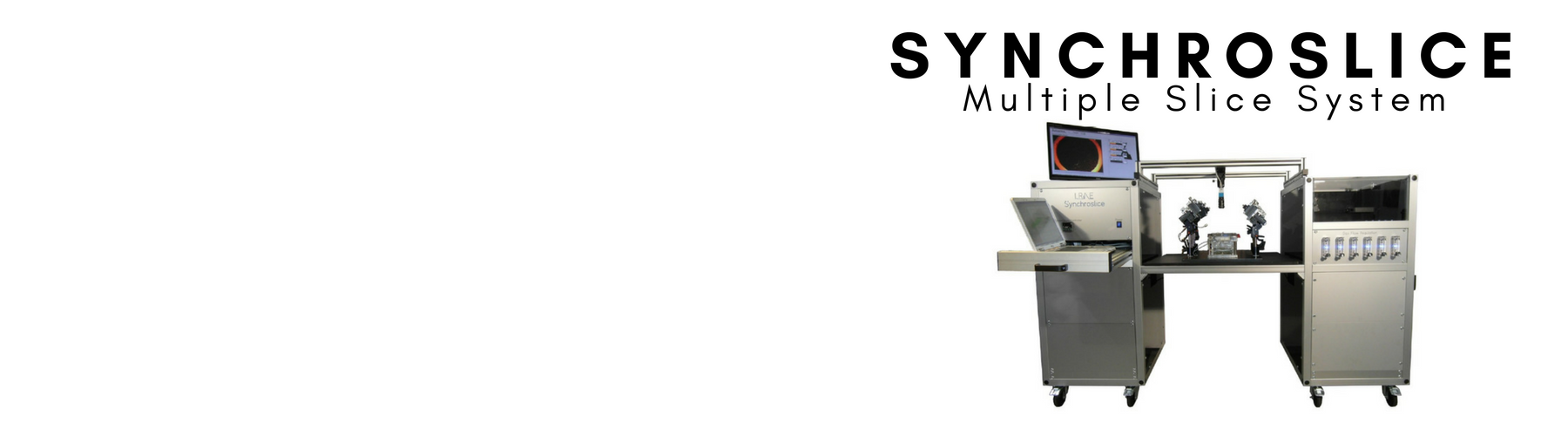
We have 2 Synchroslice rigs from Lohmann Research. Installation was quick, work is easy and reliable. All concerns are quickly addressed. Overall 5 stars